
How to Learn to Be Truly Present at Home
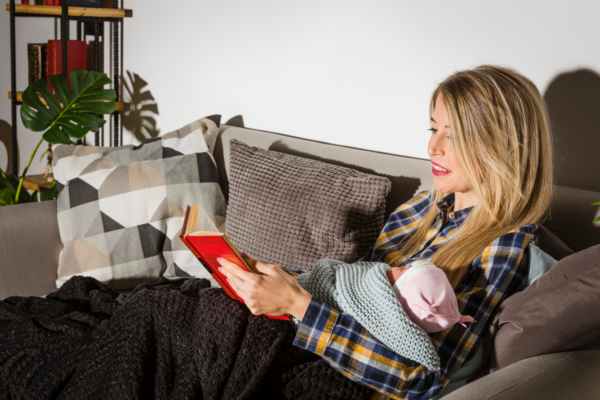
Many people are physically at home but mentally elsewhere — at work, on social media, or planning the future. Home should be a place of rest and recovery, yet it often becomes just another backdrop for constant activity. Learning to be truly present at home is a skill worth developing.
Why is it hard to relax at home?
Constant stimulation keeps the nervous system activated. Without a clear boundary between work and rest, the body doesn’t recognize when it’s time to slow down.
Create a conscious transition
A simple ritual can signal the end of the active day:
-
silence notifications
-
change clothes
-
drink something warm
-
take a few slow breaths
These cues help the mind and body arrive home.
Slow down and focus
Being present means doing one thing at a time. Try eating without screens, listening to music intentionally, or simply sitting quietly. At first, this may feel uncomfortable, but it gradually brings calm.
Space affects the mind
Noise, clutter, and harsh lighting keep the mind restless. Soft light, order, and silence support relaxation and a sense of safety.
Why it matters
Being present at home:
-
reduces stress
-
improves sleep
-
restores mental energy
-
increases overall well-being
Conclusion
Being truly at home is not about doing nothing — it’s about intentional presence. When you slow down and set boundaries, home becomes a place of genuine rest and renewal.