
How Do Shorter Days Affect Sleep and Energy Levels?
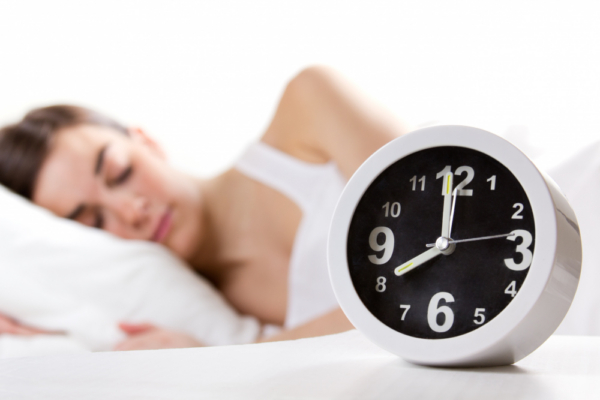
As autumn arrives, the days quickly become shorter. Sunrise gets later, darkness comes earlier in the evening, and the difference can be particularly noticeable in northern countries such as Estonia. After the extremely long days of summer, the transition to autumn can feel surprisingly sudden.
This is also the time when many people notice that getting out of bed becomes more difficult. We may feel sleepier during the day and ready to relax much earlier in the evening.
This is not simply our imagination or a dislike of autumn weather. Light is one of the most important environmental signals used by the body to regulate its internal clock.
Light helps regulate our internal clock
Our bodies follow a roughly 24-hour cycle known as the circadian rhythm. Among other functions, this internal system helps regulate when we feel awake and when we become sleepy.
Light is one of its most important signals.
Bright light in the morning tells the brain that a new day has begun and encourages the body to transition towards wakefulness. As the environment becomes darker in the evening, the body gradually begins preparing for sleep.
During autumn, however, many of us wake up while it is still completely dark outside. Without a strong natural morning light signal, the transition from sleep to daytime activity can feel more difficult.
What does melatonin have to do with it?
Darkness is one of the signals associated with the production of melatonin, a hormone involved in regulating our sleep-wake cycle.
During northern summers, daylight can continue late into the evening. In autumn, darkness arrives progressively earlier, providing the body with an earlier environmental signal that nighttime is approaching.
This helps explain why autumn evenings can make us want to slow down, change into comfortable pyjamas and settle in for the night earlier than we did during summer.
Why is waking up harder on dark mornings?
The problem is not necessarily that you have slept too little.
Waking up in darkness is simply different from waking up in bright natural light. Without that strong morning light signal, the body’s transition from sleep to an alert daytime state can be slower.
That creates a familiar autumn experience: the alarm clock says it is morning, while your body seems convinced that it is still nighttime.
Getting some light soon after waking can help. Open the curtains, spend some time near a window or, if possible, go outside for a short walk. Even on an overcast autumn day, outdoor light is generally much brighter than ordinary indoor lighting.
Less daylight can also affect daytime alertness
During autumn, it becomes surprisingly easy to spend almost the entire daylight period indoors. You arrive at work in the morning, spend the day inside and discover that it is already dark when you leave.
Making conscious use of the available daylight can therefore be worthwhile.
A short morning or lunchtime walk combines two useful things: natural daylight and physical activity. Both can support daytime alertness and help maintain a more consistent sleep-wake rhythm.
Autumn is a good time to establish an evening routine
Shorter days do not automatically mean poorer sleep. Autumn can actually be a good opportunity to establish a more consistent bedtime routine.
Try to go to bed and wake up at approximately the same time each day, get outdoors during daylight whenever possible and gradually make your evenings calmer.
A warm shower, less screen time before bed, comfortable pyjamas made from natural breathable materials and a slightly cooler bedroom can all contribute to a pleasant sleeping environment.
We cannot make autumn days longer, but we can help our bodies adjust to the changing light conditions. Getting more light in the morning and during the day, staying physically active and creating a relaxing evening routine are simple ways to make the transition from bright summer days to darker autumn months feel easier.
